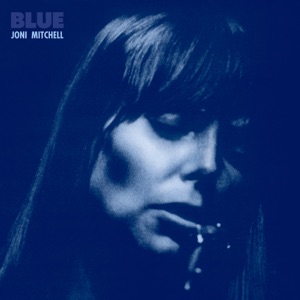
Folk / Country / Singer-songwriter folk · 1971
Blue
Joni Mitchell
Why listen
Do not let the title promise one unbroken mood. A moving rhythm and a voice beside a piano make departure, attachment and hesitation feel differently close.
Listen and read
Tracks · previews
English editorial edition
Album story
Put Carey beside River on a first visit. One invites your body to follow a pulse; the other draws attention towards a voice at the piano. Sadness alone is too broad a description of that difference. Blue makes feeling audible through pace and phrasing as well as through words. Before solving the circumstances behind a song, notice how the same singer can address you differently from one track to the next.
Released on 22 June 1971, the album has ten songs. Piano, guitar and dulcimer, a plucked string instrument, provide contrasting surfaces, with a small number of collaborators contributing to the arrangements. Treating it as one person performing entirely alone misses part of its character. Matching each narrator to a real romantic partner is not an entrance requirement either. You can recognise the tension between wanting closeness and looking elsewhere without turning every song into a biographical puzzle.
Movement belongs here too
After Carey or California, a slower song’s stillness may register differently. A lively accompaniment need not signify an uncomplicated mood. Follow the rhythm on one pass and the length of the vocal phrases on another. Does the singing seem to linger while the music keeps moving? That small comparison offers more than sorting the tracks into happy and sad categories before you have spent time with them.
Leave room for disagreement
The present reputation should not flatten the reception in 1971. Rich Warren criticised the inward direction while admiring the detail of the closing song. His review is one contemporary response, not a public vote. It leaves a useful freedom for a listener now: you need not feel equally close to every selection. An acclaimed record can include moments you resist, return to, or hear differently on another day.
Find your own listening distance
Choose one song and include the instrumental moments around the voice. Does the atmosphere remain when the singing stops? If you read the words, return afterwards to their sung pace rather than following them as prose. A sustained note can make a seemingly definite statement feel less settled. Begin with the song that matters to you, then add its neighbours; familiarity can grow without a prescribed emotional response.
The album through its tracks
Compare Carey and River before returning to the album sequence. The linked edition contains the original ten titles; previews provide excerpts rather than complete songs.
Carey
Let the pulse draw you in without deciding that a bright arrangement must express a simple happiness. Departure and attraction can inhabit the same song. The official credits name Stephen Stills on bass and guitar and Russ Kunkel on drums, a reminder that this intimate record also makes room for shared motion. Follow the accompaniment first, then return to the places where the voice extends a phrase. Does the music appear to keep walking while the words pause? You need not identify the real person behind the title to recognise the pull of a place you are preparing to leave. That tension provides an entrance through experience rather than private biography.
Reference · Joni Mitchell: Blue, official discography and track creditsRiver
Listen for the distance between the piano’s seasonal associations and the solitude of the voice. Familiar festive surroundings can make separation feel sharper rather than offering comfort. Timothy Crouse’s 1971 review objected to the song’s self-pity and piano treatment. That is a documented contemporary opinion, not a verdict you must adopt now. It is also a reminder that a familiar recording need not have arrived with a settled meaning. First attend to the piano, then to the way a vocal phrase is held. Which brings the emotion closer, and which makes you want a little distance? Your response can develop without agreeing either with an early critic or with the record’s later reputation.
Reference · Timothy Crouse: Blue, Rolling Stone, August 5, 1971; artist archive
Listen next
Continue with Nick Drake’s Pink Moon and compare the different spaces a close voice and a small instrumental setting can create.
Pink Moon ↗References & editorial note
Written for English readers. Album facts are referenced below; listening suggestions are editorial interpretations. AI-assisted editorial review; not independently human-reviewed.
- Joni Mitchell: Blue, official discography and track credits · jonimitchell.com
- Timothy Crouse: Blue, Rolling Stone, August 5, 1971; artist archive · jonimitchell.com
- Rich Warren: Blue review, The Summer Illini, June 29, 1971; artist archive · jonimitchell.com
- Apple Music: Blue, original ten-track programme · music.apple.com