Folk / Country / Alt-country & the 21st century · 2015
Carrie & Lowell
Sufjan Stevens
Why listen
Plucked figures and extended electronic tails turn a small-sounding record into a changing arrangement of distances.
Listen and read
Tracks · previews
English editorial edition
Album story
Carrie & Lowell can initially suggest a singer sitting close to a microphone with an acoustic guitar. Its construction is less uniform than that image implies. Brief plucked notes and long electronic tails operate on different timescales. Should Have Known Better changes its movement in the latter stretch; Fourth of July stays with a recurring keyboard pattern. Neither needs a large increase in volume to alter the listener’s sense of time.
Released in 2015, the album takes its title from Stevens’s mother and stepfather. Official credits describe multiple performers and recording locations, including some material captured on an iPhone in an Oregon hotel. Intimacy is therefore an assembled result, not evidence of a single uninterrupted performance. In a contemporary interview, Stevens described grief as irregular rather than following a natural sequence. That observation suits an album whose memories do not march neatly toward resolution.
Two kinds of duration
After Death with Dignity, the longer Should Have Known Better gives the opening room to change. The plucked framework can keep marking time while sustained layers follow another pace. A lighter keyboard figure changes the later section without replacing the entire arrangement. Calling the record simply acoustic misses how much these small additions determine direction.
A recurring centre
The short Eugene leads into Fourth of July, where a returning keyboard pattern makes repetition the principal structural event. The song does not need to swell toward a conventional climax. The Only Thing and the title track then continue in different proportions, preventing that central repetition from becoming the album’s final statement. Similar subject matter does not make the songs function identically.
The shape of the ending
John My Beloved occupies more than five minutes before the compact No Shade in the Shadow of the Cross. Blue Bucket of Gold then leaves an extended surface of sound at the end. The sequence contracts and opens again. Restraint here means choosing which elements stay close and which spread outward, not removing every trace of arrangement or declaring that grief has reached a tidy conclusion.
The album through its tracks
Compare the second song’s later change with the sixth song’s recurring pattern, then follow the extended closing texture.
Should Have Known Better
The second track lasts roughly five minutes and eight seconds, giving its quiet opening framework time to change. A lighter keyboard movement enters the later stretch without requiring a dramatic jump in volume. Short repeated notes and longer background sounds create distinct layers of motion. That change need not be treated as a complete emotional resolution; it can be heard as another possibility briefly entering the same song. Coming so early, the performance establishes that the album will not hold to one acoustic texture. This selection is the original studio-album track, whose proportions should remain distinct from later live elaborations of the same material.
Reference · Official original album: programme and recording creditsFourth of July
Following the compact Eugene, this roughly four-minute-and-thirty-nine-second track makes a recurring keyboard figure feel like a place to remain. The arrangement does not depend on a large rhythmic shift or an explosive climax. Repetition allows the weight of the returning vocal phrases to change within a recognisable frame. It is also a central position rather than an ending: The Only Thing and the title song continue the programme in other shapes. Compared with the later movement of Should Have Known Better, it shows a different structural choice using similarly restrained means. The selected studio recording is separate from the more extended concert document.
Reference · Official original album: programme and recording credits
Listen next
Continue with Bon Iver’s For Emma, Forever Ago for another way of assembling close-sounding songs through layered recording.
For Emma, Forever Ago ↗References & editorial note
Written for English readers. Album facts are referenced below; listening suggestions are editorial interpretations. AI-assisted editorial review; not independently human-reviewed.
- Official original album: programme and recording credits · sufjanstevens.bandcamp.com
- Sufjan Stevens direct interview: the irregular experience of grief · pitchfork.com
- Qobuz: licensed original eleven-track delivery · www.qobuz.com
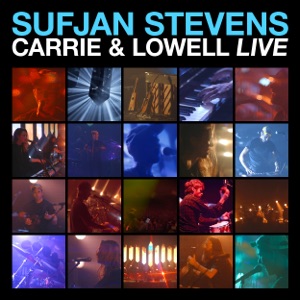
- Asthmatic Kitty: separate live album · asthmatickitty.com
- Official tenth-anniversary expanded edition · sufjanstevens.bandcamp.com
- Apple Music: original eleven-track album · music.apple.com