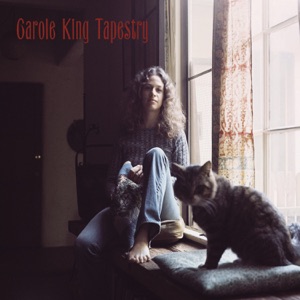
Pop / Singer-songwriter pop · 1971
Tapestry
Carole King
Why listen
A close voice and a rhythmically active piano turn accomplished pop writing into an intimate album.
Listen and read
Tracks · previews
English editorial edition
Album story
The piano at the start does not merely furnish a comfortable room: it pushes the music forward. On the next song, it leaves considerably more space. Tapestry holds these different energies together through Carole King’s voice, making intimacy a matter of presence rather than uniformly gentle music.
Released in 1971, this was not the debut of an inexperienced writer. King brought an established songwriting career into her own performance. Lou Adler produced the album at A&M Studios, with a supporting ensemble whose contributions extend well beyond piano and solo voice. Guitars, bass, drums and additional singers help shape the songs. The important impression is that none of those resources puts unnecessary distance between the listener and the singer.
Closeness is a production choice
In a 2015 Library of Congress interview, Adler recalled wanting the listener to feel close to King singing at the piano. That intention should not be confused with a claim that the record contains no arrangement or decoration. Follow the vocal once, then attend to what happens when it pauses. Brief instrumental replies and changes of harmony continue the conversation. The apparent ease depends on musicians knowing when to provide momentum and when to leave room.
Hear the contrasts in order
The transition from I Feel the Earth Move to So Far Away establishes a useful listening method. Compare rhythmic weight and phrase length while noticing how recognisable the voice remains. Later, the calm of You’ve Got a Friend and the forward motion of Smackwater Jack offer another contrast. The album need not become a single blanket of reassurance. Even familiar songs can take on a different role when their neighbours change how you approach them.
Recognition and the listening edition
Tapestry won Album of the Year at the 1972 Grammy Awards and entered the US National Recording Registry in 2003. Those are separate moments of recognition. The previews here retain the original twelve-song programme, checked against King’s official discography. Live performances and additional tracks belong to other editions. Several dates in a digital rights notice do not mean that the original album was newly performed in each of those years.
The album through its tracks
Play the opening pair in sequence and compare how rhythm changes without making the voice feel remote.
I Feel the Earth Move
The piano acts as a rhythmic engine rather than merely supplying chords beneath the singing. Follow its repeated gesture first, then notice where the voice settles against it. A firmly marked keyboard part and a conversational vocal can propel each other without tracing the same pattern. Enjoy the band’s force, but do not let the loudest events distract you from the piano’s continuing work. Remember this opening when the second track arrives: it demonstrates that the album’s intimacy does not depend on keeping everything quiet. The singer already feels nearby in this energetic setting. There is no need to turn the song’s excitement into a literal biographical episode to appreciate that physical momentum.
Reference · Carole King official: programme and creditsSo Far Away
After the opener, the space around the piano becomes especially noticeable. Listen to what remains after a vocal phrase instead of rushing ahead to the next line. The accompaniment lets the emotional distance register without making the singer herself sound inaccessible. That is more specific than simply calling the performance slow or sad. A close, recognisable voice can communicate absence, and the tension between those qualities gives the song its particular shape. You need not guess the identity of a real-life addressee. Compare the piece on its own with its position immediately after I Feel the Earth Move. The change reveals how sequencing can adjust the weight of a quiet performance.
Reference · Carole King official: programme and credits
Listen next
Move to Dionne Warwick’s Make Way for Dionne Warwick to hear accomplished pop writing shaped by a different singer.
Make Way for Dionne Warwick ↗References & editorial note
Written for English readers. Album facts are referenced below; listening suggestions are editorial interpretations. AI-assisted editorial review; not independently human-reviewed.