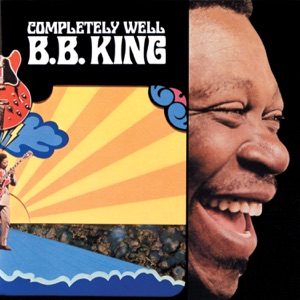
Blues / Texas & soul blues · 1969
Completely Well
B.B. King
Why listen
The space after a guitar phrase matters as much as the phrase, across songs of very different lengths.
Listen and read
Tracks · previews
English editorial edition
Album story
A B.B. King guitar line can remain in memory because of what happens after it stops. Completely Well gives that way of speaking several different frames: concise songs, longer stretches of band interplay, and a famous closing performance. Knowing The Thrill Is Gone is a useful entrance, but not a reason to skip everything before it. The record asks how voice, guitar and continuing rhythm share time.
The 1969 album is identified in the B.B. King Museum timeline as a Bill Szymczyk production. This guide follows the nine-track Geffen edition; its 2015 rights notice is not the original release year. The additional Fools Get Wise on the Japanese expanded CD is outside this programme. Completely Well is also distinct from the similarly titled Live & Well, rather than another name for that earlier release.
Listen after the note
From So Excited, follow the guitar moving forward and then returning to the ensemble. Holding a sound and cutting it short can make different impressions over the same pulse. No catalogue of techniques is necessary to hear that contrast. When the lead instrument pauses, bass and drums keep time moving. Instead of counting only solo statements, notice how the other players leave a place into which the guitar can return.
A longer span changes the task
After a relatively compact song such as Key to My Kingdom, the longer late tracks occupy a considerable part of the listening experience. You’re Mean, at roughly ten minutes, invites a different attention from waiting for a familiar chorus. Follow entries, departures and changes of phrase length within the continuing band pattern. Duration need not mean permanent escalation. A stable background can make a small alteration easier, rather than harder, to recognize.
The closing frame
The strings in The Thrill Is Gone supply another kind of background. Their presence, documented in the museum timeline, need not become a verdict about whether blues has remained pure. Ask what the voice and guitar do against that sustained setting. The album remains rewarding because it lets concentrated expression and extended ensemble time coexist. Follow the exchange between singing and guitar once, then the rhythm that continues between them. Heard after the longer performance, the familiar closer acquires a different proportion.
The album through its tracks
Follow the bass and pulse after a guitar phrase has ended.
You're Mean
Treat the roughly ten-minute duration as time shared by a band, not simply as one enormous guitar solo. This is the eighth track in the referenced Geffen edition, not a shortened substitute. Start with the bass and drum pattern, then move attention to the guitar’s entrances. A pause before another statement can matter as much as an increase in activity. The continuing framework makes those decisions audible. Compare the length of one phrase with the next instead of naming every change a climax. Finally, let the track lead into The Thrill Is Gone: the difference in duration and background helps establish how much room this album has for different kinds of expression.
Reference · Universal Music Japan: original nine songs and separately appended bonusThe Thrill Is Gone
Once the familiar guitar figure has registered, listen behind it. The museum timeline notes the use of strings on this recording; their sustained sound provides a setting against which a short guitar sentence can stand out. The selection is the closing track of the nine-song album, approximately five minutes thirty-one seconds in this Geffen edition, rather than a later concert version or another artist’s cover. Familiarity need not remove surprise from the small decisions. Follow how soon the guitar answers after the voice, and what continues after that answer ends. A sentence can acquire weight without a constant increase in volume. The arrangement offers a useful way to hear that happen.
Reference · B.B. King Museum: Charles Sawyer timeline
Listen next
Compare Live at the Regal for another relationship between concise replies, ensemble momentum and the presence of an audience.
Live at the Regal ↗References & editorial note
Written for English readers. Album facts are referenced below; listening suggestions are editorial interpretations. AI-assisted editorial review; not independently human-reviewed.