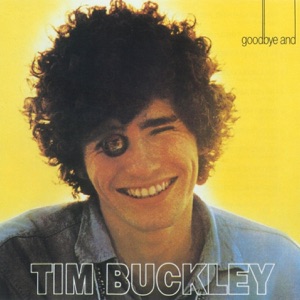
Folk / Country / Folk revival · 1967
Goodbye and Hello
Tim Buckley
Why listen
Hear a voice stretching the dimensions of a folk song, from intimate recollection to an elaborate eight-minute scene.
Listen and read
Tracks · previews
English editorial edition
Album story
The most revealing contrast on Goodbye and Hello is between the space a song occupies and the space Tim Buckley makes inside a phrase. He can hold a quiet line in suspension, then send the melody reaching beyond it. The arrangements sometimes follow that expansion and sometimes crowd around it.
Released in 1967, his second album combines relatively compact songs with conspicuously ambitious constructions. Rhino credits Jerry Yester and Jac Holzman as producers. Larry Beckett collaborated on five of its ten songs; Buckley also wrote alone. This matters more than treating the record as a forecast of his subsequent career: different kinds of writing already ask different things of the same singer.
Scale is part of the sequence
No Man Can Find the War and Carnival Song introduce a programme whose textures become increasingly variable. I Never Asked to Be Your Mountain sustains its intensity at length; the following Once I Was concentrates attention within a shorter frame. Near the end, the title song opens out for more than eight minutes. Yet it does not close the record. Morning Glory provides a brief final perspective after that much larger construction.
Two moments of critical listening
A contemporary Billboard Folk Spotlight, dated September 30, 1967, heard reflection on both the individual and society and placed the music beyond strictly traditional folk. That is one early response, not a verdict from an entire generation. Looking back, Trouser Press admired the increased ambition while finding some arrangements excessive. Keep that reservation available while listening: does a new instrumental layer deepen the vocal expression, or distract from it?
Start with the ten songs
The linked edition preserves the original ten-song programme. Rhino also documents a 2017 anniversary vinyl release, which should not be mistaken for the recording’s original date. Compare the short Once I Was with the extended title piece, then restore the intervening songs. Their changing proportions help explain why vocal range alone is an inadequate description of Buckley’s appeal.
The album through its tracks
Follow the beginning and release of each vocal phrase before concentrating on the highest notes.
Once I Was
Listen to how a line is released rather than waiting for a spectacular high note. Buckley gives the melody a lingering, recollective quality without requiring the listener to identify the narrator with his biography. On a first pass, compare the quieter entries with the notes he extends. On the next, notice the interval between a completed phrase and its successor. Those small spaces sustain a feeling that the song’s modest duration might otherwise seem unable to contain. Its position after I Never Asked to Be Your Mountain sharpens the contrast: concentration arrives through a different proportion of voice, accompaniment and time.
Reference · Apple Music US: original ten-track Elektra programmeGoodbye and Hello
This extended piece rewards attention to transitions. Rather than remaining inside one repeating accompaniment, it moves through contrasting sections that alter the weight around the singer. Mark the places where the music seems to gather momentum or become more densely arranged; then ask whether the voice initiates each change or responds to it. The title track has attracted reservations about overproduction, so complexity need not be mistaken for an automatic virtue. Find the passage where its scale feels most persuasive to you. Finally, continue into Morning Glory. The shorter closing song changes how the album’s largest construction sits within the whole.
Reference · Rhino: Goodbye and Hello programme, producers and2017anniversaryvinyl
Listen next
Continue with Fred Neil’s self-titled album to compare a low vocal centre of gravity with Buckley’s expanding melodic lines.
Fred Neil ↗References & editorial note
Written for English readers. Album facts are referenced below; listening suggestions are editorial interpretations. AI-assisted editorial review; not independently human-reviewed.
- Rhino: Goodbye and Hello programme, producers and2017anniversaryvinyl · www.rhino.com
- Apple Music US: original ten-track Elektra programme · music.apple.com
- Billboard September30,1967 p40: contemporary Folk Spotlight review, indexed archive text · www.worldradiohistory.com
- Trouser Press: retrospective Tim Buckley album assessment · trouserpress.com