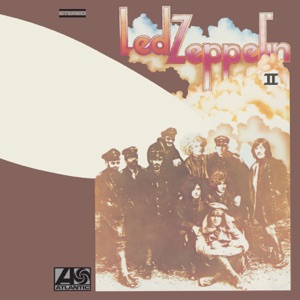
Rock / Hard rock & heavy metal · 1969
Led Zeppelin II
Led Zeppelin
Why listen
The weight comes from contrast: memorable riffs share the record with open space, mobile bass and lighter textures.
Listen and read
Tracks · previews
English editorial edition
Album story
The first riff on Led Zeppelin II is instantly imposing, but the album keeps finding other ways to make a band feel large. An exposed passage can sharpen the next entrance; a mobile bass part can redirect attention beneath a vocal. The quieter and lighter surfaces belong to the force of the music, rather than simply offering relief from it.
Released in 1969, this second album was largely written and recorded while the band toured behind its debut, according to the official retrospective. That context does not make it a live recording. Studio space and the arrangement of interruptions matter alongside the energy of the ensemble. The selected release contains the nine-track remastered album, keeping the alternate mixes and backing tracks of the Deluxe companion programme separate.
The riff has surroundings
A riff is a short recurring musical phrase that can make a song recognisable. Once you have the figure from Whole Lotta Love in mind, listen to what happens when it gives way. Its eventual return gains force from the unstable interval around it. What Is and What Should Never Be provides another route into the record’s changes of scale: follow the boundaries between its gentler and firmer passages.
Move away from the guitar
In The Lemon Song, try hearing the bass as a moving line rather than only a support beneath the singer and guitar. Thank You then opens a different kind of space. Later, the pairing of Heartbreaker with the shorter Living Loving Maid changes the pace again. Individual instrumental displays are part of the appeal, but comparing the proportions of neighbouring songs reveals another level of the arrangement.
Lightness remains part of the design
Ramble On allows a relatively light surface to coexist with a powerful ensemble. Moby Dick shifts the focus towards drums, while Bring It On Home makes a change of character within the closing track. After these nine pieces, the opening riff may seem less like a complete definition of the group and more like one possibility among several. Returning to the album means hearing how the band distributes weight, not merely how much it can generate at once.
The album through its tracks
Notice the disappearance and return of the main figure in Whole Lotta Love, then follow the bass rather than the guitar in Ramble On.
Whole Lotta Love
The opening figure is easy to remember; the space around it is what makes Whole Lotta Love worth following beyond recognition. Hear the middle passage as a temporary loss of stable ground, then notice how the reunited band changes the scale again. The selected recording is the roughly five-and-a-half-minute album opener, not a shortened single edit. First try predicting the return of the riff. On another pass, attend to the sounds that occupy the delay in that expectation. Increasing playback volume is unnecessary: distance and gaps do much of the work. The riff’s returning impact depends partly on the unsettled interval that has kept it out of reach.
Reference · Apple Music: nine-track remastered albumRamble On
Start below the guitar in Ramble On. The bass moves through the relatively light texture, giving the song direction as the ensemble gathers strength. The chosen recording runs about four minutes thirty-four seconds and occupies seventh place in the original programme; a same-titled item in a companion edition should not be confused with it. Follow the singer once and the bass on another pass. They can suggest different routes through the same song. When the stronger passage arrives, ask whether the instruments merely become louder or change their roles as well. The acoustic texture does not remove tension; restraint helps give the next entrance its particular weight.
Reference · Apple Music: nine-track remastered album
Listen next
Compare Led Zeppelin IV for another arrangement of acoustic textures and forceful ensemble passages.
Led Zeppelin IV ↗References & editorial note
Written for English readers. Album facts are referenced below; listening suggestions are editorial interpretations. AI-assisted editorial review; not independently human-reviewed.