Soul / R&B / Stax & Southern soul · 1967
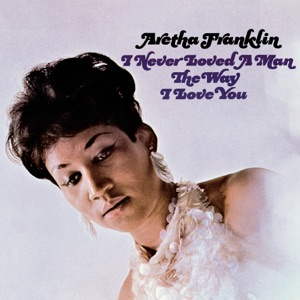
I Never Loved a Man the Way I Love You
Aretha Franklin
Why listen
Aretha Franklin makes the rhythm answer her: an Atlantic debut whose authority lies in phrasing as much as vocal power.
Listen and read
Tracks · previews
English editorial edition
Album story
Start with the changes of pace. The brisk exchanges of “Respect” give way to the sustained feeling of “Drown In My Own Tears,” then the title song settles into a stubborn pulse. Franklin can command all three settings without treating them as occasions for the same performance. Each requires a different balance between holding a note and letting the next beat arrive.
Released in 1967, this was her first Atlantic album, following an established recording career at Columbia. Calling it a debut without that qualification obscures the experience behind its decisions. The band is responsive, but Franklin is not simply singing against a helpful background. Her phrases reshape the apparent size of the spaces the musicians leave.
An arrangement has a point of view
Sessions began at FAME in Muscle Shoals and continued in New York; the album should not be presented as a document made entirely in one Southern studio. Meredith Ochs, writing for the National Recording Preservation Board, also emphasises Franklin’s contribution to the arrangement of “Respect.” Listen for the way supporting parts step back and return. Musical authority can be heard in those decisions as well as in the lead vocal.
Confidence is only one register
The sequence permits uncertainty and desire to remain beside assertion. Its slower songs do not merely interrupt the hits: they change how confidence sounds when it returns. Later, “Good Times” provides a lighter movement before “Do Right Woman, Do Right Man” opens a more patient space. These differences help eleven short performances feel like an unfolding conversation rather than a demonstration of one magnificent instrument.
Keep the ending in view
“A Change Is Gonna Come” closes the original programme. Heard after the preceding relationship songs, its expectation can widen the album’s emotional field. That is a listening interpretation, not a claim that every selection shares a single political programme. Try the eleven songs in order before adding bonus material: the transition from one manner of address to another is part of what the record offers.
The album through its tracks
Follow the first three songs without skipping, noticing how the vocal changes the perceived speed of a steady accompaniment.
Respect
The answering voices are essential to the record’s momentum. Instead of following only Franklin’s lead, concentrate on where the backing singers enter and how quickly she moves beyond their response. Ochs identifies sisters Carolyn and Erma Franklin and discusses Aretha’s reshaping of Otis Redding’s song. That context directs attention towards arrangement rather than a contest of vocal strength. Short instrumental figures keep returning while the lead chooses a different amount of space for each phrase. The result can feel both tightly organised and conversational. Its later public significance need not obscure these practical details: the sense of insistence is made audible through repetition, placement and the changing relationship between voices.
Reference · Meredith Ochs: Respect, Library of Congress essayI Never Loved a Man (The Way I Love You)
A persistent accompaniment makes the vocal’s changes of pressure particularly noticeable. Listen to the small interval between the end of one thought and the start of the next; the pulse carries on, but the singer can make that gap feel unsettled. The title song arrives third, after “Drown In My Own Tears,” which matters to its emotional setting. Heard there, it extends the album’s vulnerable register rather than simply repeating the opener’s assurance. The selected preview belongs to track three of the eleven-track Mono edition. Keep that compact studio performance separate from stereo bonus versions and later concert readings when comparing how the voice leans against the repeating rhythm.
Reference · Apple Music: I Never Loved a Man the Way I Love You (Mono)
Listen next
Compare the Four Tops on Reach Out with Franklin’s dialogue between a commanding lead and an answering chorus.
Reach Out ↗References & editorial note
Written for English readers. Album facts are referenced below; listening suggestions are editorial interpretations. AI-assisted editorial review; not independently human-reviewed.