Soul / R&B / Motown · 1967
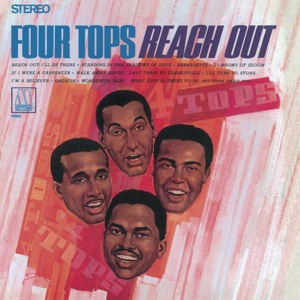
Reach Out
The Four Tops
Why listen
Levi Stubbs turns reassurance into high-stakes drama, with the group harmonies holding the line beneath him.
Listen and read
Tracks · previews
English editorial edition
Album story
Reassurance can sound almost desperate in the Four Tops’ hands. Levi Stubbs pushes towards the edge of a phrase while the surrounding voices make his promise feel larger than one person. Reach Out lets that tension travel through both Motown hits and songs drawn from the wider pop repertoire.
The 1967 album is more than a container for its famous 1966 title single. Walk Away Renee, If I Were a Carpenter and I’m a Believer offer different melodic surfaces for the same recognisable voice. The connection is a performing personality rather than a continuous narrative.
Pressure with a purpose
Holland–Dozier–Holland’s partnership with the group is central to this period. The Library of Congress account of the title single describes a production decision to place Stubbs near the top of his range. The resulting intensity is not simply loudness. Hear how a long phrase becomes a clipped cry, and how backing voices turn an individual appeal into something collective. A steady pulse underneath makes the vocal strain more vivid: the supporting structure remains firm while the lead appears to risk everything.
Other melodies, the same singers
Standing in the Shadows of Love and Bernadette deepen the sense of emotional urgency. The pop covers around them change the temperature without erasing the group’s identity. A familiar tune becomes an opportunity to hear phrasing rather than merely recognise a song. Listen for the rough edge retained inside a graceful melodic line, or for the point where harmony takes over from a seemingly solitary voice. Continue through Wonderful Baby and the closing track before deciding that dramatic force is the group’s only resource.
An album and a later honour
Record Mirror welcomed the combination of hit sides and outside pop songs in November 1967. That is one contemporary British response, not universal agreement. The 2022 National Recording Registry selection concerns the 1966 single, not this entire album. The digital edition used here retains the twelve-song programme; its 2015 phonographic notice does not date the original release. Keep it distinct from live performances and later rerecordings. In sequence, the famous songs gain perspective from the less imposing moments around them.
The album through its tracks
Follow the end of a lead phrase, then the harmonies that answer it and the pulse continuing underneath.
Reach Out, I'll Be There
The light wind colour and galloping rhythmic motion of the introduction prepare a striking change of weight when the voice arrives. This is a promise of support that sounds as if making it costs the singer something. The Library of Congress links that force to the decision to place Stubbs high in his range. On one pass, follow his lead alone; on another, notice when the surrounding voices widen the appeal. The contrast between an uneasy verse and an opening chorus matters more than volume by itself. Remember the introduction as the performance develops: reassurance emerges from a structure of tension, not from an uninterrupted comfortable mood.
Reference · Library of Congress: 2022 registry recognition of the singleWalk Away Renee
Placed after the title song, Walk Away Renee changes the emotional distance. Stubbs carries the pop melody with weight at the ends of phrases, retaining a grain that prevents elegance from becoming anonymous. Hold the opening line in memory, then listen for how long the voice stays with a phrase in the refrain. The backing harmonies do more than decorate: they connect a seemingly private statement to the sound of a group. Knowing the earlier recording offers another comparison, but is not required. Simply hearing the same singer after the preceding track reveals a different kind of hurt, and makes the covers integral to the album’s range.
Reference · Classic Motown: Reach Out album history
Listen next
Compare Smokey Robinson and the Miracles’ Going to a Go-Go for a gentler lead voice drawing strength from group harmony.
Going to a Go-Go ↗References & editorial note
Written for English readers. Album facts are referenced below; listening suggestions are editorial interpretations. AI-assisted editorial review; not independently human-reviewed.
- Classic Motown: Reach Out album history · classic.motown.com
- Motown Museum: Four Tops history · www.motownmuseum.org
- Library of Congress: 2022 registry recognition of the single · www.loc.gov
- Record Mirror, 11 November 1967: contemporary album review · worldradiohistory.com
- UMG store: twelve-track LP programme · shop.udiscovermusic.com
- Apple Music US: twelve-track digital edition · music.apple.com