Jazz / Swing & big bands · 1997
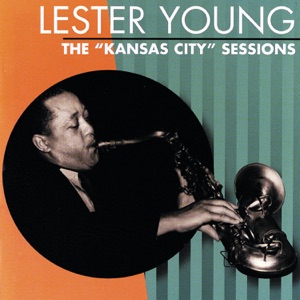
The Kansas City Sessions
Lester Young
Why listen
Hear Lester Young on clarinet as well as tenor, and follow the band even when he is not playing.
Listen and read
Tracks · previews
English editorial edition
Album story
In “I Want a Little Girl,” Young’s clarinet can change the shape of an ensemble without dominating its volume. Follow the line beside another horn, the brief gap, and the return. The pleasure of The “Kansas City” Sessions is not simply waiting for a celebrated soloist. It lies in hearing a small group leave useful space for its members.
This is a compilation of recordings from 1938 and 1944, presented here in a twenty-two-track edition with a 1997 compilation copyright. Those are different dates doing different jobs. Nor is the title a literal statement of recording location: the library catalogue identifies New York sessions. Kansas City Five and two versions of the Six share the programme, so it should not be imagined as one uninterrupted performance by an unchanging band.
Listen through the gaps
Follow what the accompaniment does when a horn finishes its sentence. The forward movement continues, giving the next entrance somewhere to land. Young’s clarinet and tenor are different voices within that exchange, not interchangeable versions of a single signature sound. The return from a solo to an ensemble can be as revealing as the solo itself: individual invention remains part of a collective arrangement.
Another take, another decision
Repeated titles marked Take 1 and Take 2 are separate performances, not accidental duplicates. Learn one version before comparing the entry or ending of a phrase in another. You need not identify every note. Listen for how long someone waits and how a companion responds. The 1944 Six also includes piano, offering a different ensemble texture rather than merely a change in the recording quality.
A compilation wider than its headline name
The final four selections are the 1938 Kansas City Five without Young. The service’s shared artist credit should not lead you to search for his horn on every track. This is also a document of his musical surroundings. Whitney Balliett praised an earlier reissue in 1962; that response belongs to reissue history, not the original sessions. Hearing the programme as an archive makes both the changing personnel and the alternate takes part of its meaning.
The album through its tracks
Compare two takes of one tune, following the melody first and the supporting responses next.
I Want a Little Girl (Take 1)
Listen for Young’s clarinet rather than expecting the tenor sound associated with his name. Its interest is not simply a higher register: notice how a slender line occupies space beside another instrument. Follow the main melodic direction, then attend to small responses and the gaps between them. On a second hearing, listen through the places where Young stops and the accompaniment continues. The adjacent Take 2 offers another performance of the same framework. Compare an entrance or the ending of a sentence rather than trying to catalogue every changed note. The purpose need not be choosing a winner; it is hearing how many decisions a familiar song allows.
Reference · Mosaic Records: Lester Young and Kansas City SessionsJo-Jo
This 1944 performance is a useful place to notice a changed ensemble. Young’s tenor is one participant alongside trumpet, trombone and piano, not the sole reason to listen. A solo does not mean the other musicians cease to matter. Follow the continuing pulse beneath the foreground voice, then listen for the point where one horn’s sentence makes room for another sound. A pause can feel like a turn in a conversation. Comparing this with a 1938 selection is more informative when you first attend to the different instruments and companions. The date alone cannot tell you whether a musician is improving or declining; the interaction supplies more interesting evidence.
Reference · Mosaic Records: Lester Young and Kansas City Sessions
Listen next
Compare Benny Goodman’s Carnegie Hall concert for another way of organising swing across a different ensemble size and performance setting.
The Famous 1938 Carnegie Hall Jazz Concert ↗References & editorial note
Written for English readers. Album facts are referenced below; listening suggestions are editorial interpretations. AI-assisted editorial review; not independently human-reviewed.
- Mosaic Records: Lester Young and Kansas City Sessions · www.mosaicrecords.com
- Apple Music: 22-track Commodore/Verve compilation · music.apple.com
- Whitney Balliett: Jazz Records, New Yorker, 1962 reissue review · www.newyorker.com
- AllMusic: Kansas City Sessions programme and personnel · www.allmusic.com
- Kansas City Public Library: recording and release catalogue · kclibrary.bibliocommons.com