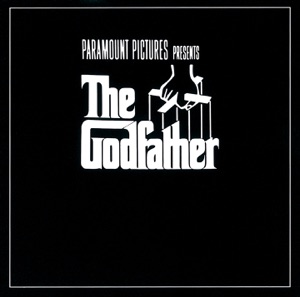
Film music / European auteur cinema · 1972
The Godfather
Nino Rota
The Godfather · 니노 로타
Why listen
Memorable themes hold elegance and unease together within a compact soundtrack album.
Listen and read
Tracks · previews
English editorial edition
Album story
Listen past the famous love melody and The Godfather becomes a study in scale: an exposed trumpet, a singer, a wedding piece, then compact passages of orchestral tension. The changes prevent its elegance from becoming a single continuous mood. Even without the film, there is pleasure in hearing a familiar theme return to a setting that no longer feels quite the same.
The twelve-track album grew from Nino Rota’s music for Francis Ford Coppola’s 1972 film. It offers an arranged listening programme rather than a scene-by-scene transcript. La-La Land’s anniversary edition makes that distinction especially clear by placing the expanded film score and the original soundtrack album on separate discs. Neither a later concert recording nor the expanded cue sequence is the subject here.
More than one musical author
Rota’s name heads the album, but it does not make him the composer of every item. The supplied credits identify Carmine Coppola as composer of Connie’s Wedding, and Al Martino sings I Have But One Heart. Carlo Savina also appears in the performance credits as conductor. These distinctions preserve the variety of a programme that includes a song and celebratory music alongside instrumental dramatic writing.
Learn two different shapes
The opening waltz and the Love Theme are both familiar, but they are not interchangeable names for the same tune. Compare the waltz’s circling motion with the longer breathing line of the love music. Recognising the difference helps the returns become changes of expression instead of background repetition. No knowledge of the ending is required to hear how a theme approaches or withdraws.
Hear the spaces between highlights
The shorter pieces alter the weight and motion between familiar themes. Stay with that sequence through The Godfather Finale, then return to the opening. A melody that initially seemed merely elegant may now carry another shade. Its beauty does not explain away the violence of the film’s world. For listening without the screen, the coexistence of attractive surfaces and unsettled feeling is enough to sustain attention across this concise album.
The album through its tracks
Distinguish the opening waltz from track 7’s Love Theme, then compare the ending with the opening.
Main Title (The Godfather Waltz)
Wait through the spaces in the opening trumpet line before joining a melody you may already know. Those small delays can change the impression from simple recognition to cautious attention. The waltz suggests a three-beat movement, yet the expression does not reduce to an easy dance. This is the opening track of the soundtrack album; its duration should not be assumed identical to the shorter title cue in the film. Follow the exposed melodic line first, then listen again for the point at which surrounding sounds enlarge its space. Notice whether the initial outline remains clear inside that fuller setting. The exercise concerns what the music reveals gradually, rather than attaching a plot event to every phrase.
Reference · Apple Music:1972twelve-track soundtrack albumLove Theme from "The Godfather"
Follow the long melodic line, then shift attention to the pace of the harmony underneath it. Smoothness at the front does not mean every supporting part breathes in the same-sized units. This is the instrumental soundtrack-album track, distinct from vocal pop versions and from the opening waltz. On a second pass, let the harmonic changes guide your expectation instead of humming the tune. A familiar return can feel different when you approach it from below. Continue into the next track, The Godfather Waltz, to compare the two themes directly. The contrast gives you a way through the album without requiring the film’s events, or its ending, to be explained in advance.
Reference · Apple Music:1972twelve-track soundtrack album
Listen next
Compare Rota’s approach to a memorable theme with Morricone’s contrasting sound world on ost-16.
The Good, the Bad and the Ugly ↗References & editorial note
Written for English readers. Album facts are referenced below; listening suggestions are editorial interpretations. AI-assisted editorial review; not independently human-reviewed.