Film music / Asian cinema · 1983
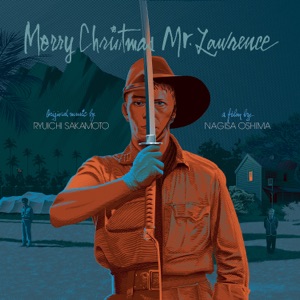
Merry Christmas Mr. Lawrence
Ryuichi Sakamoto
Merry Christmas Mr. Lawrence · 류이치 사카모토
Why listen
Stay beyond the familiar theme. Electronic textures and brief changes of scene reveal a soundtrack with more to offer than a remembered piano melody.
Listen and read
Tracks · previews
English editorial edition
Album story
If the title melody is familiar, keep Batavia in the sequence after it. A different texture changes the impression left by the tune you thought you knew. Merry Christmas Mr. Lawrence is not a piano compilation repeating a signature piece in various forms. Follow the movement between a long melody and shorter sonic scenes. You can hear that passage between recognition and unfamiliarity without first learning the film’s plot.
Sakamoto composed the music for Nagisa Oshima’s 1983 film and also appeared in it. The linked Apple edition presents nineteen tracks; its 2015 release and rights information should not replace the film’s date. Later solo-piano performances and expanded archival editions are different listening objects. Begin with the first track if you know it, but leave its neighbour in place. Recognition can become an invitation to explore an album rather than the point at which attention stops.
Listen around the melody
Attend to the sound remaining after a phrase, then to what enters the space between phrases. Does the music feel empty when the tune rests, or does something continue around it? Electronic instrumentation need not prescribe emotional coldness. A sound may seem close and tangible while another spreads into the distance. Listening twice with a different point of attention is enough to begin.
Avoid making nationality the explanation
In a later interview recalled by Criterion in 2023, Sakamoto resisted describing his approach as the use of specifically Japanese musical elements. That recollection is not a report of every viewer’s response in 1983. Rather than attaching a national identity to each sound, notice how a composer places different colours together. The relationships can matter more than deciding where a particular timbre supposedly belongs.
A voice at the far end
David Sylvian’s voice enters the closing Forbidden Colors. Remembering the opening while arriving here invites a comparison: what changes when a melody becomes part of a sung address? You need not translate every line to follow the length of a phrase. Try the closing track alone, then return to the opening. Hearing a familiar musical idea in another form can be more rewarding than identifying a scene for every cue.
The album through its tracks
Compare the opening theme with the closing Forbidden Colors. The linked programme has nineteen tracks; previews are excerpts, not complete performances.
Merry Christmas Mr. Lawrence
Once you recognise the melody, move your attention towards the sounds around it. If a solo-piano performance was your first encounter, this arrangement may make the contrast particularly clear. Criterion’s retrospective describes the theme’s long life in Sakamoto’s performances and reinterpretations; that later history is distinct from its position in the 1983 soundtrack. Consider where you first remembered the tune, then listen to what remains after a phrase in this recording. Does a bright sound necessarily feel reassuring, or can it carry tension too? The seasonal wording in the title need not determine the mood you hear. A known melody can open a less familiar album, rather than stand in for the whole of it.
Reference · Criterion: David Hudson, Ryuichi Sakamoto: It All Seems Limitless, 2023 retrospectiveForbidden Colors
Ask what you begin waiting for once the voice enters. Attention to a melody’s next note may become attention to the end of a sentence. The linked Apple programme places this nineteenth, and its editorial note identifies David Sylvian’s vocal transformation of the theme. No complete account of the film or the musicians’ relationship is necessary to hear that change. Follow the vocal phrasing once, then the familiar material behind it. Compare selecting this song alone with placing it beside the opening track. Reading the words can add another perspective without turning them into an explanation of every character. The immediate question is how adding a voice changes your distance from the music.
Reference · Apple Music / Milan: Merry Christmas, Mr. Lawrence, nineteen-track digital edition
Listen next
Continue with Vangelis’s Blade Runner and compare how an intimate melodic line sits inside a broad electronic setting.
Blade Runner ↗References & editorial note
Written for English readers. Album facts are referenced below; listening suggestions are editorial interpretations. AI-assisted editorial review; not independently human-reviewed.