Pop / 1980s pop highlights · 1989
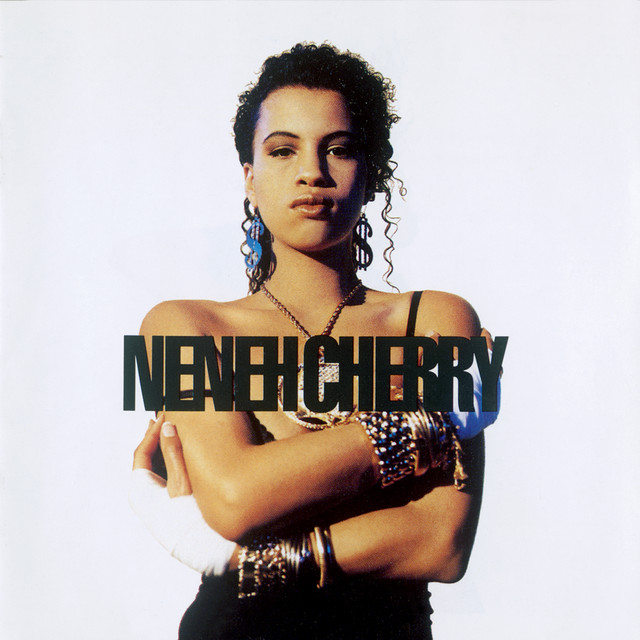
Raw Like Sushi
Neneh Cherry
Why listen
A debut in which rapping and singing belong to one expressive identity, with dance rhythms and longer melodic spans doing different musical work.
Listen and read
Tracks · previews
English editorial edition
Album story
The first two tracks of Raw Like Sushi already resist a single description of Neneh Cherry. Buffalo Stance establishes a forceful rhythmic and verbal movement before Manchild opens a different melodic span. Rather than imagining a rapper and a singer as separate people, listen to how one performer moves between those approaches.
Originally released in 1989, this debut solo album is linked in its 2020 thirtieth-anniversary deluxe edition, containing thirty-one tracks. The original LP’s ten songs remain at disc one, tracks one to ten, ending with So Here I Come. The subsequent two entries and later discs contain additional material, a demo and remixes. The essay concerns the ten-song original sequence. Both selections are the opening album versions, not similarly named remixes elsewhere in the collection.
Rhythmic speech and a longer line
In Buffalo Stance, compare short verbal units with passages where melody extends further. Placing syllables differently against the rhythm changes the centre of attention even when the voice remains recognisable. On Manchild, listen beyond the beat inherited from the opener to the time needed for a sentence to complete. Dividing the pair completely into rap and ballad is less useful than following how speech and melody function within each song.
Several roles make the recorded result
Tim Simenon and Mark Saunders contributed to the opener’s production. An album bearing Cherry’s name need not have every accompaniment constructed by her alone. Conversely, naming producers should not erase her performance decisions. Where a phrase falls and when it becomes a longer melody are part of the finished sound. Follow the recurring accompaniment separately from the changing vocal to hear different contributions in operation.
Continue beyond the familiar opening
The Next Generation completes the original first side, and Love Ghetto begins the second. Continue through Heart and Phoney Ladies to Outré Risqué Locomotive and So Here I Come. Compare vocal density with recurring accompaniment instead of asking every track to reproduce the opener. The later Heart demo and remixes provide further comparisons, but first allow the ten-song LP programme to reach its own ending.
The album through its tracks
Compare speech and melody in Buffalo Stance and Manchild, then finish the original ten-song sequence before exploring alternate versions.
Buffalo Stance
The approximately five-minute-forty-three-second opener is the album version, distinct from the many remixes in this expanded collection. Instead of waiting only for the familiar refrain, notice where short verbal units give way to longer melodic phrases. A repeating accompaniment does not require the voice to keep doing the same job. Changes in the length and placement of words help move the song forward. Producers Tim Simenon and Mark Saunders establish the collaborative nature of the recording, but their names do not explain away Cherry’s phrasing. Try following the accompaniment once and verbal duration another time. Return after Manchild to hear the opener as one expression within a wider record.
Reference · Qobuz licensed original album credits and programmeManchild
This approximately three-minute-fifty-two-second second track is the original album selection on disc one. The same deluxe set also offers an Old School Mix and remixes carrying the names Massive Attack and Smith ’N’ Mighty; those are different entries. Once the version is established, follow how the opener’s rhythmic energy changes here. Notice the span of a melodic sentence and the way it reaches an ending. A softer impression need not mean a weaker expression: smaller changes can become more noticeable within a sustained phrase. Continue into Kisses on the Wind to hear the opening three songs as shifting relationships between voice and accompaniment, rather than repeated versions of one successful approach.
Reference · Apple Music: thirtieth-anniversary deluxe thirty-one-track edition
Listen next
Compare Rhythm Nation 1814 for another way of arranging dance rhythm, verbal movement and melody across a pop album.
Rhythm Nation 1814 ↗References & editorial note
Written for English readers. Album facts are referenced below; listening suggestions are editorial interpretations. AI-assisted editorial review; not independently human-reviewed.